





WHAT’S THE PROBLEM?
PJM manages the electric grid serving 13 states and the District of Columbia, ensuring power flows from generators to local utilities and ultimately to homes and businesses. As coal and nuclear plants retire, PJM warns new generation is not being added fast enough to meet growing demand.
If this trend continues, consumers could face higher electricity costs, reliability concerns and power shortages.
WHY IS THIS HAPPENING?
A combination of factors has created this problem. Aggressive clean-energy mandates and policies have accelerated the closure of reliable coal and natural gas power plants before adequate replacement generation is available.
At the same time, many neighboring states are retiring their own dispatchable power sources and increasingly relying on Pennsylvania’s energy production to meet demand.
The result is a growing imbalance between electricity supply and demand. Without policies that support reliable, around-the-clock power generation, consumers will face higher costs and a less dependable electric grid.
WHY PA MATTERS
Pennsylvania isn’t just powering itself – we’re helping power much of the eastern United States.
Pennsylvania is the nation’s leading exporter of electricity, producing more power than we consume and sending the excess to neighboring states through the PJM grid. When other states retire reliable power plants or can’t generate enough electricity, they depend on US to fill the gap.
Without PA and power producing states like West Virginia and Ohio, states like Virginia, Maryland and New Jersey would be left in the dark.
ARE WE PAYING THE PRICE?
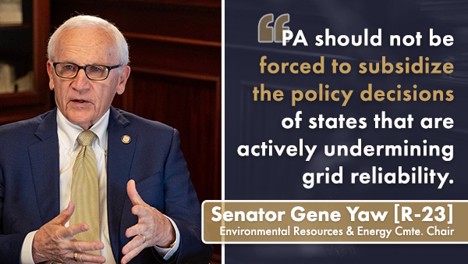
YES! Pennsylvanians are frustrated by rising electricity bills, and rightfully so. You see, these states don’t exist in a vacuum, and their policy decisions cause a ripple effect throughout the regional grid.
The result is higher costs for families, seniors and businesses. Pennsylvanians are paying more for electricity even as our state remains the nation’s leading exporter of energy.
THE BLAME GAME
For years, former Gov. Tom Wolf and current Gov. Josh Shapiro pushed to bring Pennsylvania into the Regional Greenhouse Gas Initiative (RGGI), an effort that would have imposed new costs on power generation in the state onto consumers. Thanks to Senate Republicans, that proposal was ultimately blocked in court and formally withdrawn last year.
Unfortunately, that prolonged policy fight created years of uncertainty for the energy sector. During that time, investment in new generation stalled, and Pennsylvania saw no new power plants build since 2019, while some existing facilities retired.
The result was predictable: reduced supply, increased demand and higher prices. This is Economics 101.
This problem was intensified when the governor filed a formal complaint with the Federal Energy Regulatory Commission (FERC). His complaint resulted in a settlement that capped rates for all PJM member states and triggered an increase for Pennsylvania ratepayers, all while reducing costs for exporting states like Virginia and Maryland.
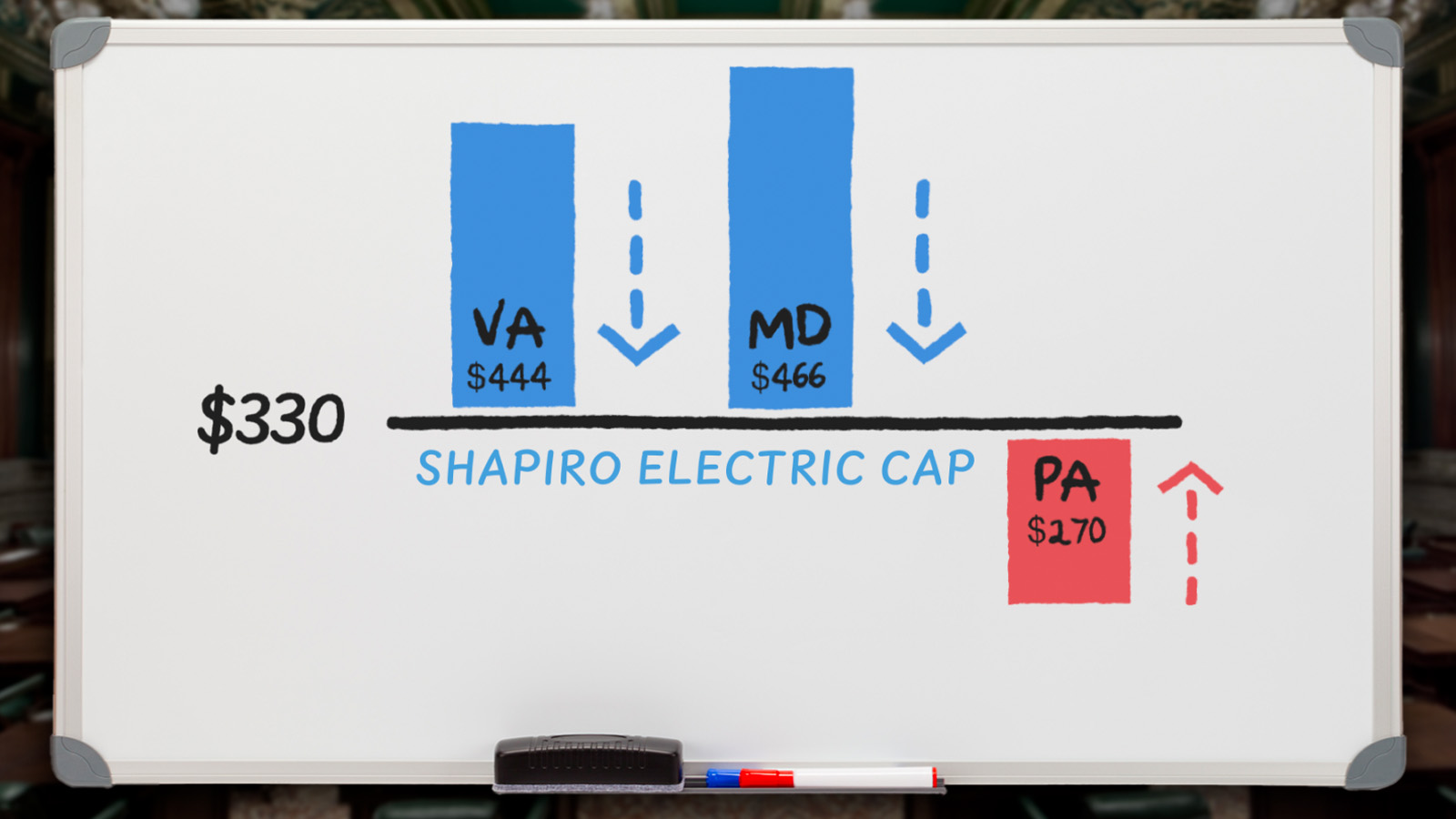
Recently, the governor pointed to PJM as the cause of these increases, suggesting the grid operator is driving up costs. That simply doesn’t match reality. PJM does not generate electricity or set energy policy. Like an air traffic controller, it simply manages the system based on conditions created by state-level decisions.
THE UNCOMFORTABLE TRUTH
The bottom line is that these rising costs are the predictable result of policies that restrict reliable energy development, discouraged investment and accelerated plant retirements. Now, the governor is trying to redirect blame on the very system that is trying to keep the lights on.
Blaming PJM may be convenient politics, but it ignores years of decision that created the imbalance in the first place.
WHERE DO WE GO FROM HERE?
Despite its century of reliable operation, PJM is now being criticized for struggling to fit intermittent energy into a system designed for constant, stable electricity delivery.
Some have even suggested Pennsylvania should leave PJM altogether. That idea is extraordinarily expensive. Early estimates indicate withdrawing from PJM would cost ratepayers more than $2 billion.
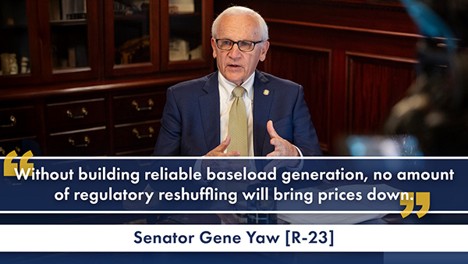
If Pennsylvania is serious about stabilizing electric rates, the solution is not to restructure PJM or walk away from it. The solution is to increase supply. Without building reliable baseload generation, no amount of regulatory reshuffling will bring prices down.
If we want affordable, reliable electricity, we must focus on increasing supply, not searching for scapegoats. Only then can we protect ratepayers and maintain the dependable energy system Pennsylvanians expect and deserve. We need to stop pontificating and start building new dispatchable generation, yesterday.
The Senate is already working on solutions by identifying sites for new power projects, improving demand forecasting and continuing to streamline permitting so plants can actually get built.
COMMITTEE MEETINGS AND HEARINGS
April 28, 2026 – Public hearing on resource adequacy, PJM market update, and barriers to entry for new power generation
May 7, 2025 – Senate ERE Committee Advances Key Energy Reforms, Including Impact Fee Distribution Changes and Well Plugging Improvements
January 27, 2025 – Senate ERE Committee Convenes for First Meeting of New Session
NEWS
September 16, 2026 – Yaw Issues Statement on EPA Repeal of Biden Power Plant Rule
May 21, 2026 – Yaw Urges PJM to Hold States Accountable for Energy Policies, Protect Pennsylvania Ratepayers
April 30, 2026 – PA Senate Environmental Resources and Energy Committee Examines Urgent Challenges to Pennsylvania’s Electric Grid
October 9, 2025 – Yaw, Miller to Introduce Bipartisan Bill to Protect Ratepayers from Flawed Power Grid Forecasts
May 12, 2025 – As Grid Strain Mounts, Lawmakers Highlight Positive Steps Toward Power Reliability in Pennsylvania
March 29, 2025 – Gov. Shapiro and Republicans appear headed for energy showdown
February 20, 2025 – Iceberg Ahead: Pennsylvania’s Looming Power Crisis
January 30, 2025 – Yaw to Introduce Legislation Addressing Electric Generation Shortfall
OP-ED
December 5, 2025 – Pointing Fingers Won’t Lower Costs
July 31, 2024 – Who is Looking Out for Pennsylvania’s Interests?
February 29, 2024 – Maryland Puts the Grid to the Test While Pennsylvania Pays the Bill